
June Gloom and Your San Clemente Windows — What’s Actually Happening
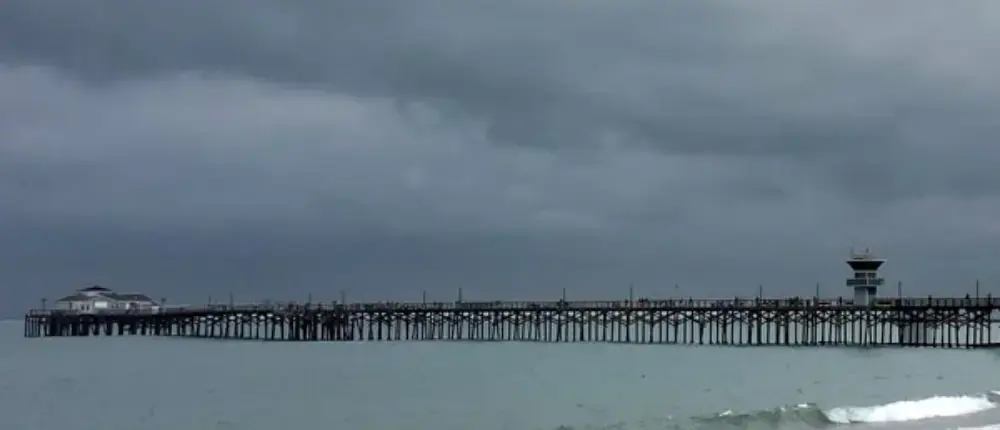
If you live in San Clemente, you’ve noticed it: windows that look acceptable in March start looking hazy in June even when you haven’t changed anything. The marine layer is what’s changed — and it runs a daily mineral deposition cycle on every piece of exterior glass in the city from late May through early July. Locals call it June Gloom. In May it’s May Gray. When it stretches into July it earns the names No-Sky July or Fogust. Whatever month the overcast lands in, the effect on glass is the same.
This isn’t the kind of dirty that rinsing handles. It’s a compounding mineral-and-salt cycle that runs every morning without a day off. Here’s what’s actually happening, why June is the worst window month in San Clemente, and what to do about it before peak season arrives.
Call (949) 408-1235 — late April and early May are the right time to book before the season hits.
The June Gloom Cycle — What Happens to Glass Every Morning
June Gloom is the Southern California name for the coastal marine layer that dominates late May through early July — a six-week stretch of overcast mornings driven by cold ocean water, onshore flow, and the topography that funnels Pacific air inland. The name itself came from the pattern locals noticed decades ago: June mornings reliably overcast, afternoons clearing. Residents in the know also call the May version May Gray, and when the overcast lingers into August the nickname becomes Fogust.
Locally in San Clemente, the pattern runs like clockwork: overcast mornings, cool temperatures, fog sitting over the coast until somewhere between 9am and noon, then the sun burns through and the afternoon clears. What most people don’t think about is what that daily fog cycle does to glass.
Morning
Marine layer moisture deposits on all exterior glass. The fog doesn’t just sit in the air — it contacts every surface. Window glass, frames, screens, sills. The marine layer carries dissolved sodium chloride from the Pacific in suspension. When the moist air contacts cooler glass in the early morning, it deposits a thin film of moisture containing that dissolved salt. It’s not dramatic. It’s subtle — a thin, slightly sticky mineral film across every pane of glass facing any direction.
Mid-morning
The sun burns the marine layer off. As the sun climbs and burns through the overcast, the moisture on the glass surfaces evaporates rapidly. The water evaporates. The sodium chloride and any dissolved minerals from the ocean air don’t — they stay on the glass surface, re-crystallizing as the moisture leaves.
Result
A net daily mineral deposit on every exterior glass surface in the city. Every morning, the marine layer runs this cycle. Moisture deposits. Sun evaporates it. Minerals remain. This happens six or seven days a week for six weeks straight — late May through early July at the core of the season.
What makes this the fastest contamination cycle in San Clemente’s year isn’t the intensity of any single event — it’s the relentlessness of the daily repetition. Santa Ana winds coat your glass overnight, once or twice a season. The marine layer runs its deposition cycle every single morning for six weeks. No rain interrupts it. No dry spell gives the glass a break. The June Gloom window runs until the marine layer retreats in early July, and by that point even well-maintained glass has accumulated more contamination than during any other equivalent period.
Why June Gloom Is Worse Than Winter for Your Windows
San Clemente gets approximately 280–300 days of sunshine per year. The marine layer is the primary exception, and most of it runs in this six-week window. When the pattern lingers past July — which happens in stronger marine layer years — the July extension is more problematic for glass than the core June season because the UV intensity is higher and the deposits bake on faster.
In winter — November through February — there’s occasional rainfall. Rain doesn’t clean glass in any meaningful way in San Clemente (the water deposits its own mineral content when it dries at 625 ppm hardness), but it does interrupt the marine layer salt deposition cycle. The marine layer is less persistent in winter. The UV intensity is lower, so deposits that do form don’t bake into the glass surface as aggressively.
During June Gloom: no rain, maximum UV in afternoon when the sun finally burns through, and the marine layer cycle running every morning. The combination produces more net contamination per week on exterior glass than any other six-week period in the San Clemente calendar.
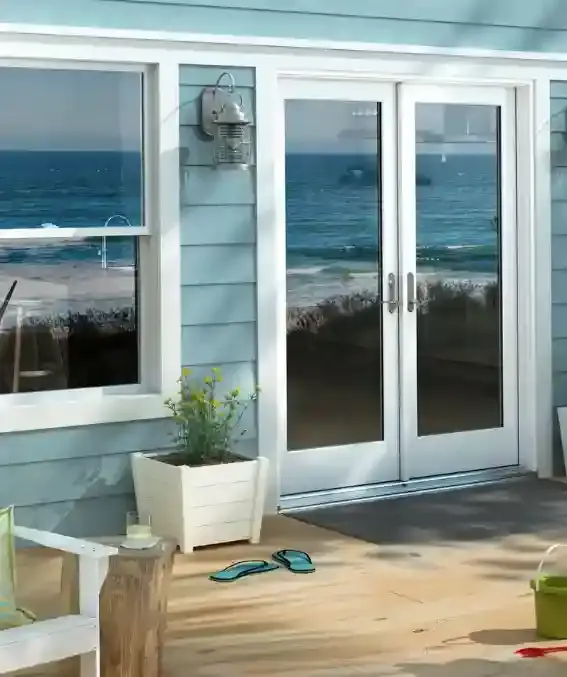
For properties on the standard 10–12 week inland HOA schedule — Talega, Forster Ranch, Rancho San Clemente — the June Gloom window is where the interval assumption breaks down. A clean that holds 10 weeks in October holds 6–7 weeks if it falls during June Gloom. The contamination rate during this period is materially higher than the rest of the year, and the interval that works in other seasons doesn’t match the June Gloom accumulation rate. For bluff-front and coastal positions — Sea Pointe Estates, Cyprus Shore, Southwest San Clemente — the frequency that already runs at 6–8 weeks may need to shorten to 5–6 weeks during June Gloom season to keep the glass from falling behind.
What Happens Without a Late April Pre-Season Clean
This is the most actionable part of the post.
The marine layer starts in earnest in late May. By mid-June it’s running at full intensity. If the last professional clean on your property was in February or March, by the time June Gloom is in full swing you’re already 10–12 weeks into contamination accumulation when the fastest deposition period of the year begins. The glass that’s already accumulated two to three months of salt and calcium gets hit with the June Gloom daily cycle on top of the existing buildup. What’s a Stage 1 surface film in April becomes a Stage 2 compound layer by July — harder to remove, requiring longer on the first visit, and more expensive to address than if the glass had been brought to a clean state before the season started.
A late April professional clean accomplishes two things. First, it brings the glass to Stage 1 — fresh surface, clean start — immediately before the most intensive contamination period of the year begins. Second, it establishes the right interval going into peak season so that a June or July visit arrives before the glass falls behind rather than catching up to six weeks of June Gloom accumulation. The pre-season clean in late April is the highest-value single professional visit for most San Clemente coastal properties. It’s the one that sets the glass up for the hardest six weeks, when the next visit really matters.
Call (949) 408-1235 — late April and early May fill up. Book your pre-season clean before the schedule closes.
The Vacation Rental Problem — Peak Season, Worst Glass Conditions
This is where June Gloom creates a specific problem for San Clemente STR hosts and vacation rental owners. Peak booking season in San Clemente runs June through August. Occupancy above 90% is achievable during this window. Guest photos are taken during this window. Guest reviews mentioning window clarity are written during this window. And June Gloom is running its daily salt deposition cycle for the first six weeks of that peak season.
A vacation rental that hasn’t had a professional clean since March is showing six months of accumulation — plus the June Gloom daily cycle — when the first high-summer guest arrives. The listing photos look acceptable because they were taken on a clear April morning. The actual windows in June look significantly worse. The math that matters: one 4-star review mentioning dirty or hazy windows costs more in Airbnb algorithmic placement over the following months than a year of professional window cleaning. Peak season is when guests take photos for social media, when families are paying premium rates and have premium expectations, and when clear Pacific views are what guests paid for specifically.
For STR hosts with Pier Bowl, North Beach, or coastal-position properties, the right schedule for peak season:
- Pre-season clean: late April, before June Gloom starts
- June visit: early June, before the first wave of peak bookings
- July or August visit: timed to a turnover gap, before Ocean Festival if applicable
Syncing the cleaning schedule to the booking calendar means the glass is clean when guests arrive — not when the cleaning happens to fall. We build this coordination into recurring schedules for STR hosts as standard.
The Interior Side of June Gloom — What People Miss
Pacific-facing properties and beach-adjacent homes in San Clemente often have sliding doors and operable windows that stay open during June Gloom mornings. The cooler temperatures during the overcast period make open windows comfortable. The moisture content of the marine layer air, however, is high — and over six weeks of daily open-window mornings, interior glass near open doors and windows accumulates a light salt film from the marine layer air passing through.
It’s not as heavy as exterior accumulation, but it’s there. Interior glass on the Pacific-facing side of homes in Sea Pointe Estates, the Pier Bowl, and coastal Southwest San Clemente properties regularly shows light interior haze from the June Gloom marine layer by mid-July. A full interior-and-exterior clean in June addresses both sides.
What the June Gloom Cycle Means for DIY
June Gloom mornings are actually the best time for DIY exterior glass rinsing. Before 9am, while the marine layer is still overhead, you have natural shade that prevents evaporation streaking during the rinse. Wet the glass, rinse with the hose from top to bottom, work before the sun hits the pane directly.
What DIY rinsing doesn’t address: the mineral residue from San Clemente’s 625 ppm tap water that deposits when the rinse water dries. You’re removing the visible salt film and immediately depositing a fresh mineral layer from the rinse water. The net effect is still positive — removing fresh salt before it bakes into another cycle — but it’s not the same as a DI water professional clean.
For the June Gloom period, the realistic DIY supplement is a weekly garden hose rinse on accessible ground-floor glass during the overcast morning window, combined with professional DI water cleaning every 6–8 weeks for coastal positions and every 8–10 weeks for near-coastal properties.
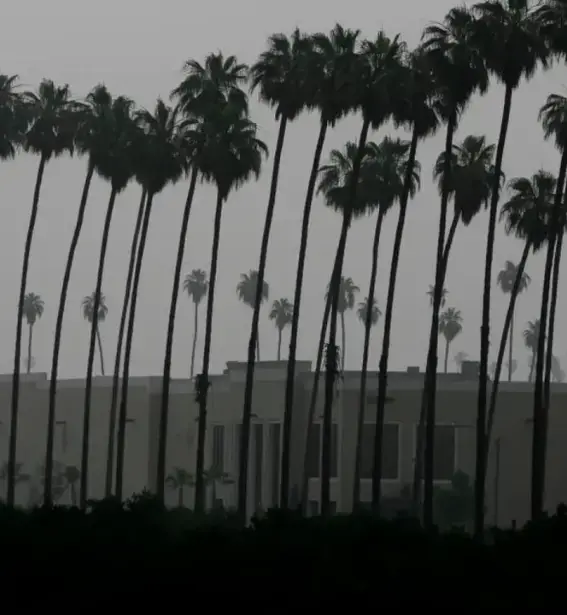
According to the National Weather Service, June Gloom is caused by a combination of the persistent high-pressure system over the eastern Pacific, the cool California Current upwelling along the coast, onshore prevailing winds funneling marine air inland, the blocking effect of Catalina Island on the airflow pattern, and the Peninsular Ranges trapping cold marine air against the coast — with additional heat contrast from the Mojave Desert pulling the onshore flow.
Together these create the temperature inversion that locks the marine layer near the surface through morning hours. The same conditions drive the pattern from May Gray through Fogust whenever the forcing is strong enough to extend it outside the core June window. San Clemente’s position at the southern end of Orange County means the marine layer typically persists slightly longer into the morning here than at more northerly coastal cities.